Introduction to Photography

Photography is the process of recording visual images by capturing light rays on a light-sensitive recording medium. Photography is the art, application and practice of creating durable images by recording light or other electromagnetic radiation, either electronically by means of an image sensor, or chemically by means of a light-sensitive material such as photographic film. It is employed in many fields of science, manufacturing and business, as well as its more direct uses for art, film and video production, recreational purposes, hobby, and mass communication.


WHAT CAMERA TO USE?

DSLRs (Digital Single-lens Reflex Cameras)
&
SLRs (Single-lens Reflex Cameras)

These cameras may be expensive but to tell you what, they have better image quality, better sensitivity to light, shutter and focus speeds, you see what you shoot, and more.
9 BENEFITS OF PHOTOGRAPHY
1. PHOTOGRAPHY AFFORDS IMMORTALITY
2. PHOTOGRAPHY DOCUMENTS YOUR JOURNEY THROUGH LIFE
3. PHOTOGRAPHY IS A WONDERFUL STRESS RELIEVER
4. PHOTOGRAPHY INSPIRES YOUR IMAGINATION
5. PHOTOGRAPHY AS A CAREER IS POSSIBLE FOR ANYONE WITH A TRUE PASSION FOR IT
6. PHOTOGRAPHY IS A WONDERFUL, SAFE, AND NATURAL SELF-ESTEEM BOOSTER
7. PHOTOGRAPHY BRINGS YOU CLOSER TO YOUR NATURAL SPIRITUALITY
8. PHOTOGRAPHY LETS YOU SEE THINGS THAT YOU MAY NEVER NOTICE OTHERWISE
9. PHOTOGRAPHY PRESERVES NEW AND OLD MEMORIES
10 Basic Camera Parts
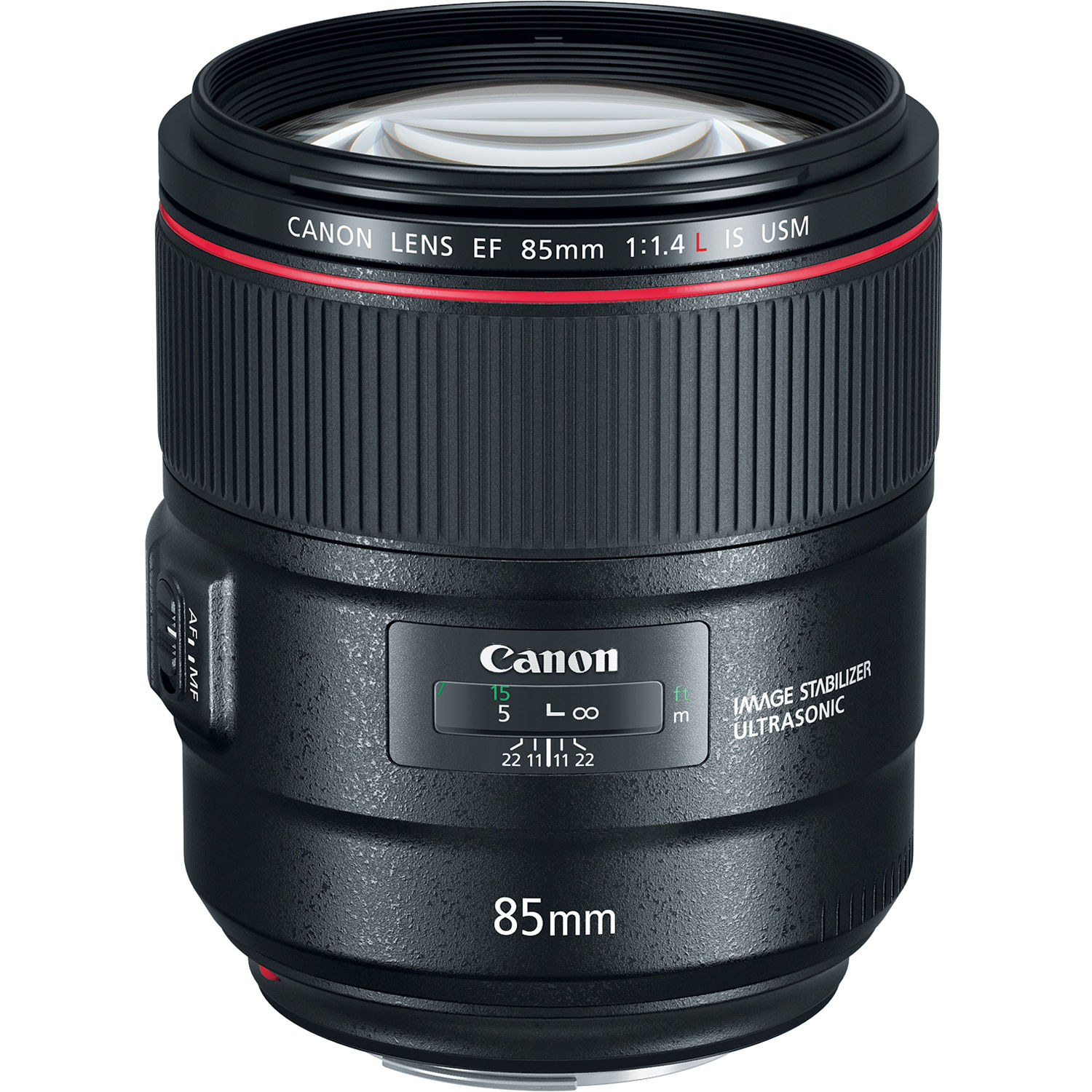
1. Lens
The lens is one of the most vital parts of a camera. The light enters through the lens, and this is where the photo process begins.
2. Viewfinder
The viewfinder can be found on all DSLRs and it is the main visual source for image-taking.
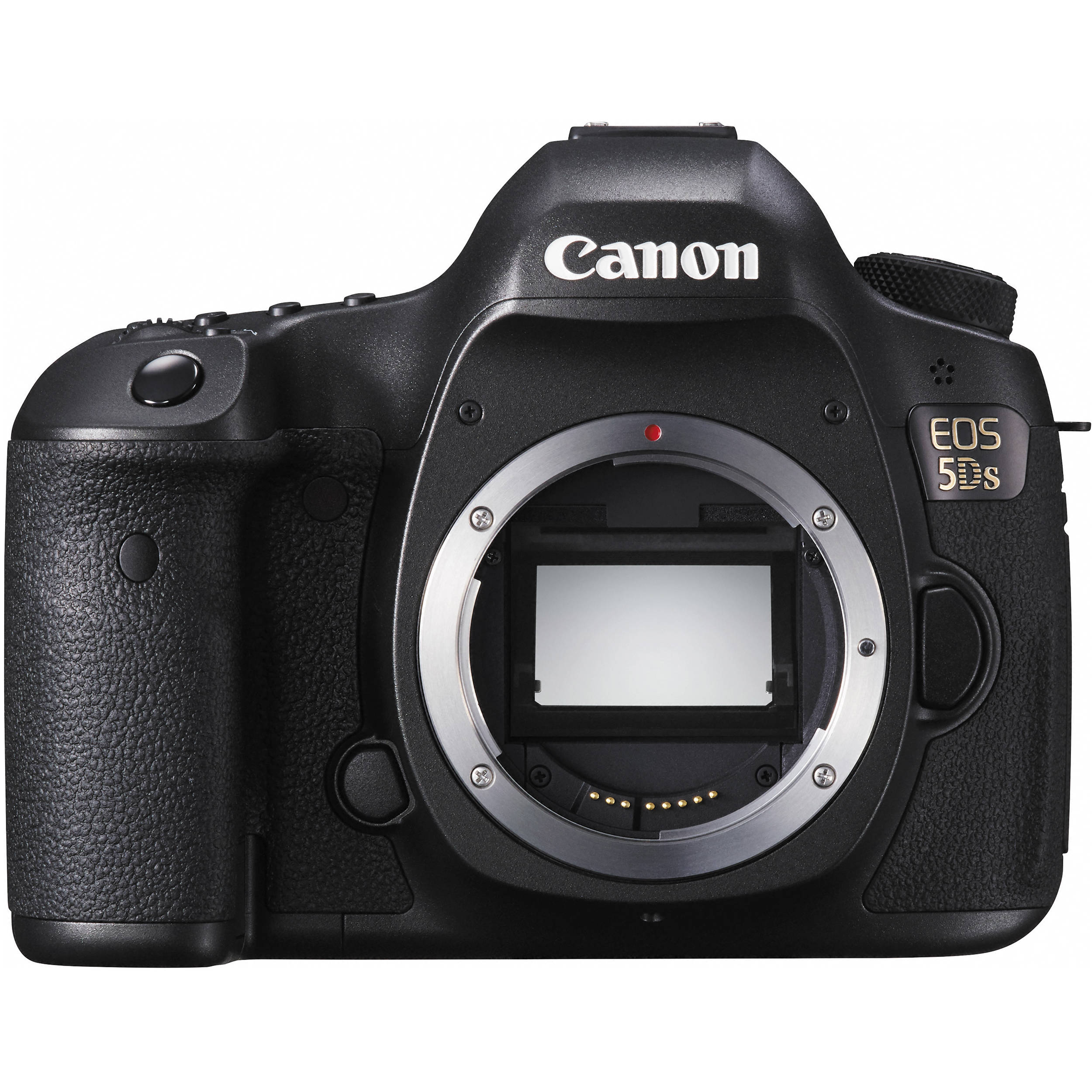
3. Body
The body is the main portion of the camera, and bodies can be a number of different shapes and sizes.
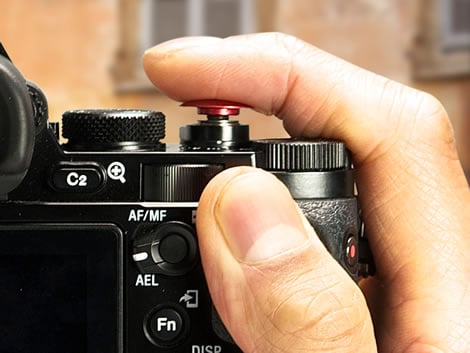 4. Shutter Release
The shutter release button is the mechanism that “releases” the shutter and therefore enables the ability to capture the image.
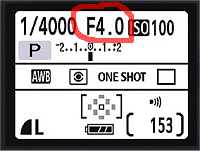
5. Aperture
The aperture affects the image’s exposure by changing the diameter of the lens opening, which controls the amount of light reaching the image sensor.

6. Image Sensor
The image sensor converts the optical image to an electronic signal, which is then sent to your memory card.
7. Memory Card

8. Flash
The on-board flash will be available on all cameras. It can sometimes be useful to provide a bit of extra light during dim, low light situations.

9. User Controls
A DSLR will have numerous controls for auto and manual shooting along with custom settings.

hiiiii finally mana nagd kog himo hihihi COMMENT NAMO GUYS!
ReplyDeleteComment on my blog too
DeleteDONEEE POWS HEHE
DeleteNICE BLOG!
ReplyDeleteTHANK YOU!
DeleteNice one boi
ReplyDeleteTHANKS BOI!
DeleteCHUYAN BA
ReplyDeletethanks bday boi!
DeleteWow nice!
ReplyDeletevery nice urs too thank you!
DeleteEdi wao
ReplyDeletehahah SAMOK KA ooofff
Deletenice blog 💛
ReplyDeleteWowwowow
ReplyDeleteAYIEEE WOWOWOWOW
DeleteNICE BLOG! PADAYUN LANG JERVES
ReplyDeleteNAYS KA PAR! THANKS
DeleteWow jirbisssss
ReplyDeleteyieeee wowowowow
DeleteSana ol maayo
ReplyDeletethank you! supportive one! ily
DeleteWhoah! Very helpful!
ReplyDeleteyeahh thank you!
DeleteWow thanks for sharing
ReplyDeleteyes thank you too!
DeleteOMG!! NICE INFORMATION!
ReplyDeleteomg thank you!
Deletethank you!
ReplyDeletethankiess broo! hehehe
ReplyDeletehihihehehe
ReplyDeleteSO NICEE WOW!
ReplyDeleteOMG! thankkk you!
DeleteNAYS BLOG!! KEEP IT UP PO KOYA HEHEHE
ReplyDeletehehe THANKKK YOU!
DeleteWOOAAHH! VERY AWESOME!
ReplyDeletewooooooow
ReplyDeleteNice blog teach me senpai hahaha
ReplyDeleteThis is very helpful💓
ReplyDeleteThis is amazing! Are there more?
ReplyDeleteAaammazzinggg✨
ReplyDeleteCreditsss
ReplyDeleteWow! Cool post thanks for sharing!
ReplyDeleteKeep up the good work jervs! I am proud of you!
ReplyDeleteSo cool mehn!
ReplyDeletecool blog~
ReplyDeletethis was really informative.
ReplyDeleteWOW, great info
ReplyDelete